
Part 1: What Is a Steel-Frame Warehouse?
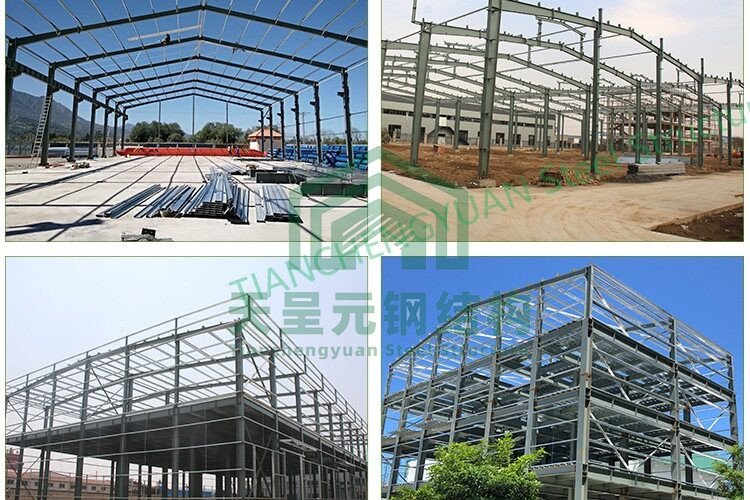
A steel-frame warehouse refers to a storage facility constructed using steel as the primary load-bearing structure. Steel components—such as beams, columns, and purlins—are prefabricated in a factory and then transported to the construction site for assembly. This construction method differs from traditional concrete or brick-and-concrete structures; it is more akin to “building with blocks”—most of the work is completed in the factory, with only installation and connection required on-site.
Steel structures are widely used globally, particularly in industrial plants, logistics centers, and large-scale warehousing facilities. Their core characteristics include high strength, light self-weight, rapid construction, and large spans. For businesses that need to bring facilities online quickly and prioritize cost-effectiveness, steel structures are a highly practical choice.
Part Two: Two Common Questions and Answers
Question 1: Are steel-structured warehouses prone to rust and do they have a short service life?
Many people worry that steel will rust, shortening the building’s lifespan. This concern is valid, but modern steel structures have resolved this issue through proven technologies.
Answer: The steel used in steel-structured warehouses undergoes anti-corrosion treatment. The most common methods are hot-dip galvanizing and applying anti-corrosion coatings. Hot-dip galvanizing involves immersing the steel in molten zinc to form a dense protective layer that effectively prevents rust. Under normal use and maintenance, the design service life of steel structures can exceed 50 years. Furthermore, regular inspections and maintenance—such as removing standing water and repairing coatings—can further extend their lifespan. In fact, many large logistics centers and industrial facilities in developed countries utilize steel structures, which in itself demonstrates their reliable durability.
Question 2: Are steel-structured warehouses more expensive than concrete structures?
Cost is one of the primary concerns for businesses when making decisions. Many people intuitively assume that “steel is more expensive than concrete,” and therefore the total cost of a steel structure must be higher.
Answer: This view is not entirely accurate. If we compare only the unit prices of materials, steel is indeed more expensive than concrete. However, when calculating the total cost, steel structures often offer significant advantages. There are three main reasons for this: First, steel structures are constructed quickly, saving several months or even half a year in construction time. This means businesses can put the facility into use sooner and start generating revenue earlier; Second, steel structures are lightweight, requiring less demanding foundations, which significantly reduces foundation costs; Third, steel is recyclable, and if the structure is relocated or demolished in the future, it retains a higher residual value. Overall, for the same floor area and usage requirements, the total cost of a steel structure is typically comparable to—or even lower than—that of a concrete structure.
Part Three: 5 Major Benefits of Using Steel Structures for Warehouse Construction
Benefit 1: Fast Construction Speed, Shortening the Construction Period
Steel structural components are prefabricated in a factory, with production proceeding in parallel with on-site construction. On-site work is limited to foundation construction and component installation, significantly reducing the time affected by weather compared to traditional construction methods. For a medium-sized warehouse using a steel structure, construction from foundation to completion of the main structure typically takes only 2 to 3 months, whereas a concrete structure may require more than 6 months. A shorter construction period means businesses can put the facility into use faster and generate revenue sooner.
Benefit 2: Large Spans and High Internal Space Utilization
Due to steel’s high strength, large spans can be achieved without the need for intermediate columns. For warehouses, this means a more open interior space, facilitating easier goods placement and forklift maneuvering. In traditional concrete structures, achieving large spans requires massive beams and columns that occupy a significant amount of usable floor area. In contrast, steel structures can achieve the same span with fewer materials, resulting in a larger actual usable area for the warehouse.
Benefit 3: Controllable Costs and Low Overall Construction Costs
As mentioned earlier, although the unit price of steel materials is slightly higher, the overall cost is more advantageous. Low foundation costs, short construction cycles, reduced labor costs, and easy maintenance—when combined, these factors make the total investment in steel-structured warehouses more manageable. For companies with limited budgets, steel structures offer excellent value for money.
Benefit 4: Flexible Expansion and Easy Renovation
As businesses grow, their warehouse requirements may change. Steel structures are relatively easy to modify and expand. For example, if additional height is needed, the existing structure can be raised; if more floor space is required, gable walls can be removed to allow for lateral expansion. This flexibility is difficult to achieve with concrete structures. This is particularly important for companies experiencing rapid business growth and fluctuating storage needs.
Benefit 5: Eco-Friendly, Energy-Efficient, and Recyclable Materials
Steel is a recyclable material. When a steel structure reaches the end of its service life and needs to be demolished, the steel can be recycled and reprocessed for use in other projects, avoiding the generation of large amounts of construction waste. Additionally, the building envelope systems of steel warehouses (such as sandwich panels) typically offer excellent thermal insulation properties, effectively reducing the warehouse’s energy consumption. Against the backdrop of increasingly stringent environmental requirements, the eco-friendly nature of steel structures has become a significant advantage.
Part Four: Five Steps to Building a Steel Structure Warehouse
Step 1: Define Requirements and Develop a Plan
Before construction begins, it is essential to clearly define the warehouse’s operational requirements. These include: the warehouse’s purpose (what goods will be stored), the required floor area and height, whether thermal insulation or fireproofing is needed, and any future expansion plans. This information will determine the steel structure’s design. At the same time, site conditions must be assessed, including foundation bearing capacity, surrounding road conditions, and local building codes. It is recommended to consult with professional design firms or steel structure manufacturers during this stage to obtain preliminary proposals and budgets.
Step 2: Prepare Design Drawings and Complete Approval
Based on these requirements, a qualified design firm will prepare the steel structure design drawings. The design scope includes: structural layout drawings, detailed joint drawings, envelope system design, and foundation design. Once the design is complete, the drawings must be submitted to the local construction authorities for approval. Approval requirements may vary by region; it is recommended to clarify these in advance or engage an experienced contractor to assist with the process. Only after approval is granted can the next step proceed.
Step 3: Factory Fabrication and Prefabrication
Based on the design drawings, the steel structure manufacturer performs steel cutting, welding, drilling, and anti-corrosion treatment in the factory. This process typically takes 1 to 2 months, with the exact duration depending on the size of the warehouse and the manufacturer’s production capacity. During fabrication, it is recommended to send personnel to the factory to conduct quality inspections to ensure that material specifications, weld quality, and anti-corrosion coatings meet design requirements. Once the components are fabricated, they are numbered and packaged for transport to the construction site.
Step 4: On-Site Construction, Foundation Completion
Concurrent with factory fabrication is on-site foundation construction. The construction team performs tasks such as layout marking, excavation, pouring the concrete foundation, and embedding anchor bolts according to the design drawings. The quality of the foundation construction directly affects the precision and safety of subsequent steel structure installation and must be carried out strictly in accordance with specifications. Once the foundation is completed, it requires a curing period; steel structure installation can only begin after the concrete strength meets the required standards.
Step 5: Main Structure Installation and Final Inspection
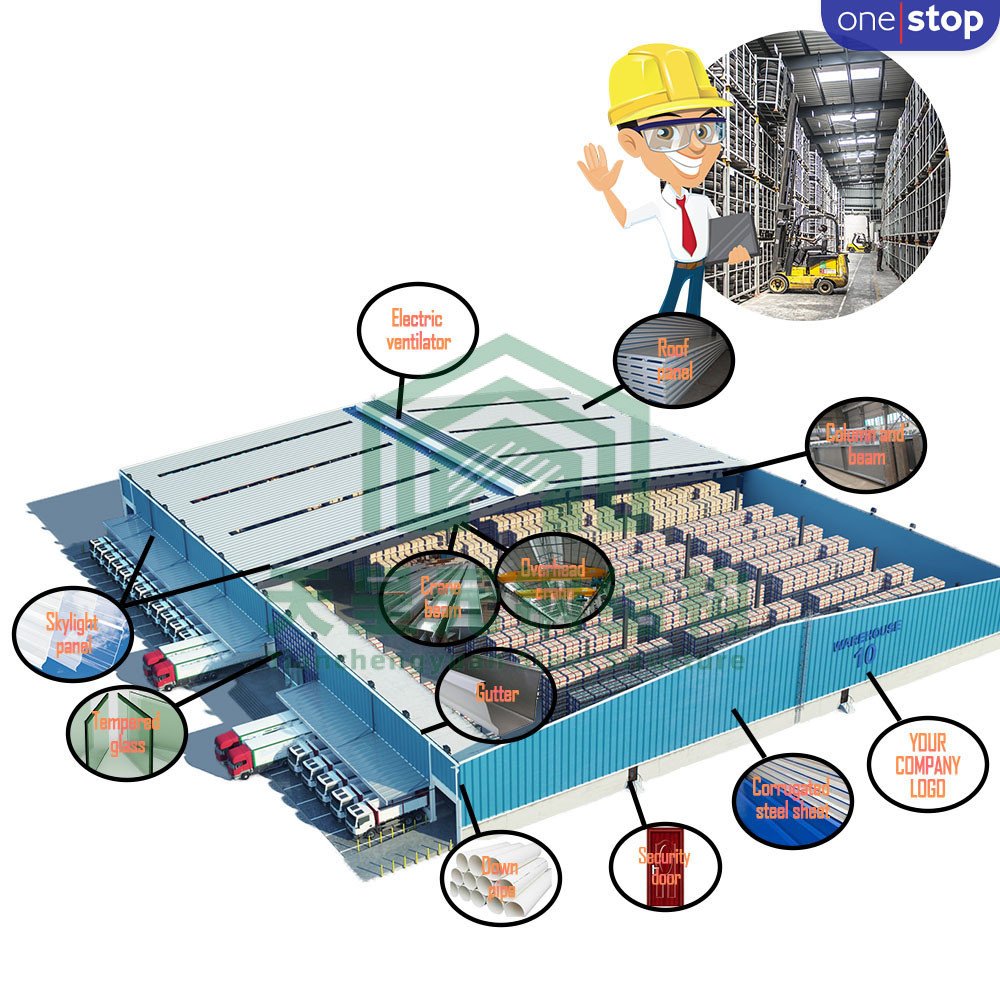
Once the steel structural components arrive on-site, a professional installation team performs lifting and connection operations. The typical installation sequence is: steel columns → steel beams → roof purlins → wall purlins → bracing system → building envelope (roof panels and wall panels). Vertical and horizontal alignment must be continuously checked during installation to ensure structural stability. Once the main structure is installed, finishing work such as door and window installation, flooring, and electrical and plumbing work is carried out. Finally, relevant parties are organized to conduct a final inspection; upon passing the inspection, the facility can be put into use.
Part Five: Practical Results
Case Study 1: An E-commerce Logistics Center
This company needed to construct an 8,000-square-meter warehouse within six months to expand its regional distribution capacity. If a concrete structure had been used, the construction period would have taken at least eight months, which could not meet business demands. A steel structure solution was ultimately selected. Construction from foundation work to structural completion took 3 months; including interior finishing and equipment installation, the facility was delivered for use in a total of 5 months. This was one month ahead of schedule, allowing the company to successfully meet peak-season logistics demands.
Case Study 2: Warehouse Expansion for a Manufacturing Company
The company’s existing warehouse was insufficient in size, necessitating the construction of a new 3,000-square-meter warehouse on vacant land within the factory premises. Site conditions were limited, and the foundation’s bearing capacity was average. By adopting the steel structure solution, the lighter structural weight reduced foundation treatment costs by approximately 30% compared to a concrete solution. Additionally, steel structure construction had minimal impact on normal production operations at the site, and no work stoppages occurred during construction. After completion, the column-free interior significantly improved the efficiency of goods storage and retrieval.
Case Study 3: Cold Storage Warehouse for a Cold Chain Logistics Company
The company required the construction of a cold storage warehouse with thermal insulation capabilities. The steel structure, combined with a polyurethane sandwich panel enclosure system, achieved excellent thermal insulation performance. Compared to a traditional brick-and-concrete structure with an added insulation layer, the steel structure solution reduced the construction period by 4 months and lowered overall costs by approximately 15%. After commissioning, the warehouse’s energy consumption met expectations, and the client expressed satisfaction.
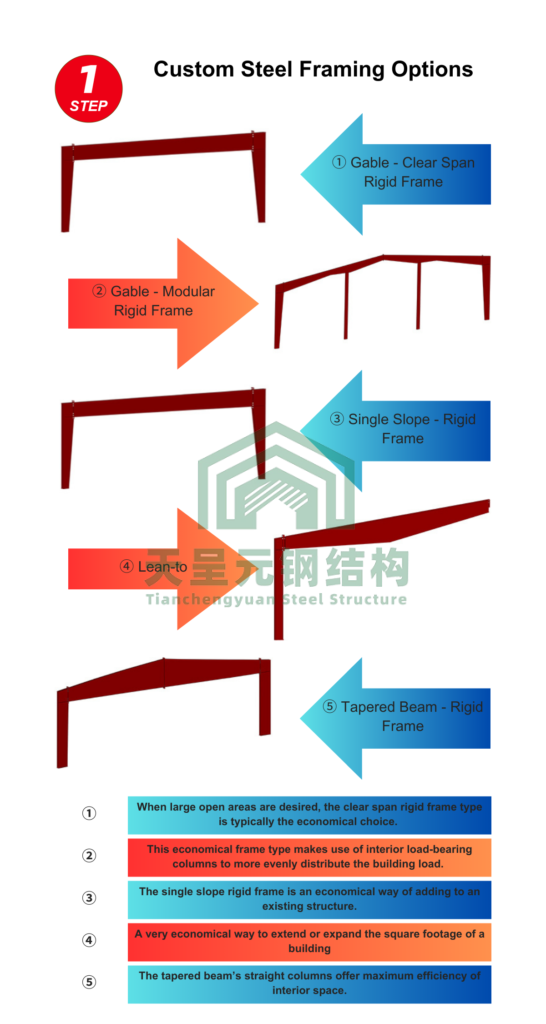
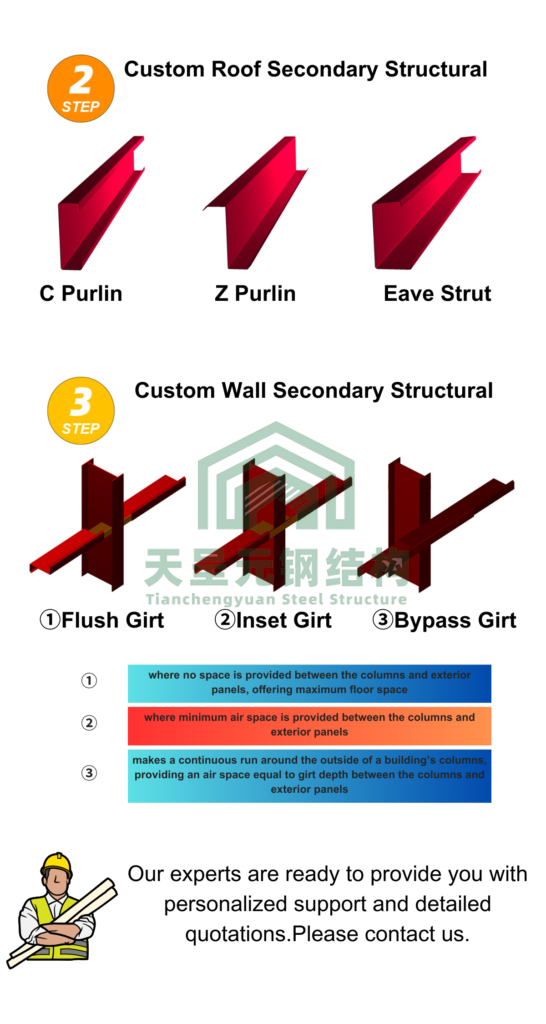
Learn How to customize Steel Framing Structure in 3 Easy Steps
For more steel structure projects , please contact us!
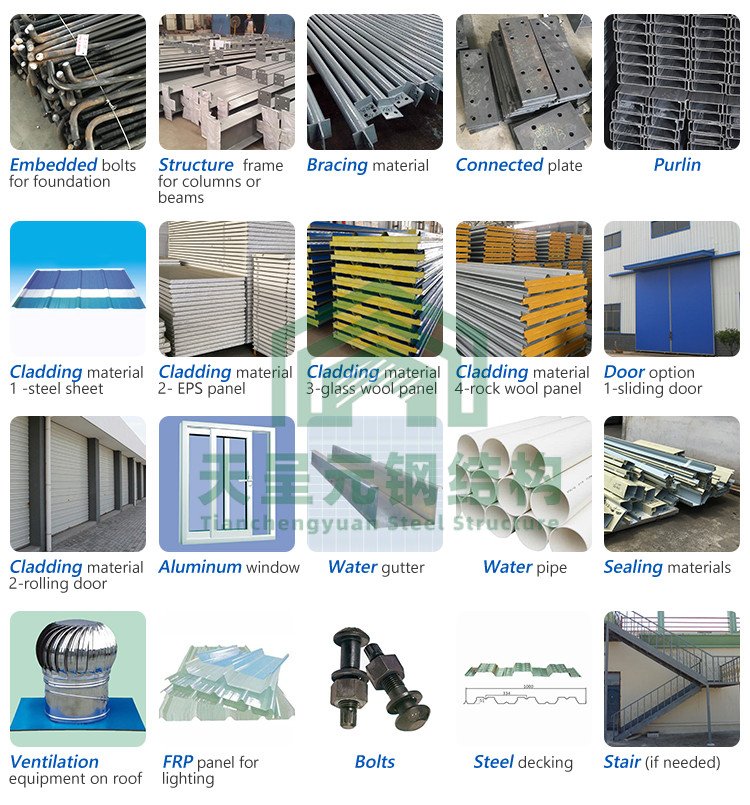
Products materials