

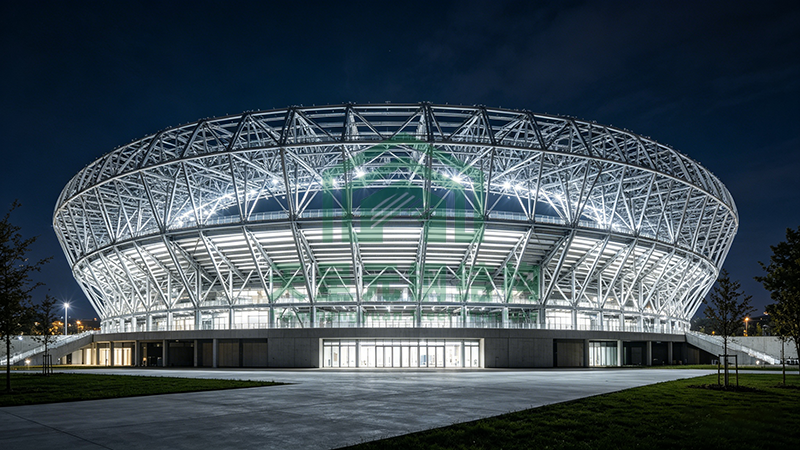
The evolution of metal buildings and prefab houses in Chinashowcases significant advancements in construction methodologies that prioritize efficiency, sustainability, and adaptability. Utilizing modular designsnot only accelerates the assembly process but also caters to diverse industrial demands. The integration of steel structural system senhances durability and safety while reducing overall costs associated with project delays. Furthermore, the role of technology in logistics and design has streamlined operations, ensuring that construction meets urban challenges effectively. As we move forward, these innovative techniques will continue to be pivotal in shaping modern industrial landscapes, making metal structuresa cornerstone for future developments.
- Innovative Techniques to Build a Metal Building
- The Advantages of Prefab Houses in China
- Maximizing Efficiency with Steel Structural Systems
- Urban Construction: Benefits of Metal Prefabrication
- Tailored Metal Structures for Diverse Industrial Applications
- Streamlined Logistics in Metal Building Construction
- Reducing Costs and Time in Prefab House Construction
- Enhancing Safety in Urban Metal Building Projects
- Future Trends in Prefabricated Industrial Solutions
- Effective Space Utilization with Metal Structures
- Designing Versatile Prefabricated Solutions for Urban Environments
- Integrating Technology in the Prefab House Design Process
- Conclusion
- FAQs
Innovative Techniques to Build a Metal Building
Constructing a metal building involves utilizing advanced prefabricationmethods tailored for rapid assembly and enhanced sustainability. One key innovation is the use of modular designs, allowing for standardized components that can be easily transported and assembled on-site. This approach significantly reduces construction time, making it ideal for urban environments where space is limited. Additionally, integrating 3D modeling in the design phase optimizes layouts, ensuring that every square foot of space is used efficiently.
Incorporating smart logistics also plays a crucial role in streamlining operations. By employing digital tools to plan transportation routes, project teams can minimize delays and costs associated with material delivery. The result is a more efficient construction process that meets the high demands of modern industry while also adhering to safety regulations.
“The future of industrial construction lies in embracing technology and innovative building practices.”
Moreover, customizing metal structures for specific industries enhances versatility and functionality. This adaptability not only caters to diverse industrial needs but also promotes sustainabilitythrough the use of recyclable materialsin the fabrication process. As urban landscapes continue to evolve, these innovative techniques will be central to creating effective solutions for modern industrial challenges.
The Advantages of Prefab Houses in China
Prefab houses in China offer numerous advantages that cater to the increasing demand for efficient and flexible construction methods. One key benefit is the significantly reduced construction time, made possible through the use of prefabrication techniques. Buildings can be assembled rapidly on-site, minimizing disruption in urban environments. Additionally, these structures allow for greater Design flexibility, accommodating various architectural stylesand functional needs. By utilizing steel structural systems, prefab houses can achieve enhanced durability while maintaining cost-effectiveness. Another crucial aspect is the environmental impact; prefab construction often results in less waste compared to traditional building methods. Ultimately, the integration of technology in the design and manufacturing process further boosts efficiency, setting a precedent for modern housing solutions tailored to urban Chinese landscapes.
Maximizing Efficiency with Steel Structural Systems
The implementation of steel structural systems is a game changer for modern industrial construction. By using a rigid frame approach, projects can be assembled quickly, significantly reducing on-sitelabor needs. This method allows for the efficient utilization of structural steel, enabling custom designs that meet specific site requirements without major disruptions. When developing a metal building, prefabrication plays a critical role in minimizing overall construction time and cost while maintaining high safety standards. With accurate pre-manufacturing processes, components can be produced off-site and delivered as needed, streamlining the logistics involved. Such enhancements not only ensure that the construction process remains efficient but also position steel as a key material in addressing the challenges of increasing urban density.
Urban Construction: Benefits of Metal Prefabrication
The integration of metal prefabrication in urban construction has transformed how projects are executed. This method simplifies the building process by allowing components to be crafted off-site, significantly reducing on-site work. As a result, urban environments experience less disruption during construction. Moreover, prefabricated structures can be customized to meet specific local needs while ensuring structural integrity. This adaptability makes metal buildings a preferred choice in densely populated areas where space is a premium. Safety is also enhanced through the controlled environment of factory settings, where precision and quality can be closely monitored. Ultimately, implementing metal prefabrication leads to faster project completion and minimizes costs, making it an attractive solution for modern industrial requirements.
Tailored Metal Structures for Diverse Industrial Applications
Tailored metal structures have become essential in addressing the unique demands of various industrial applications. This versatility arises from the ability to customize steel systems according to specific operational needs, ranging from large manufacturing plants to compact warehouses. The use of prefabrication streamlines the construction process, allowing for quick assembly and minimal disruption to ongoing operations. Moreover, modern metal buildings are designed with flexibility in mind, ensuring they can accommodate changing business requirements over time. As environments become more competitive, these customized solutions not only enhance functionality but also contribute to improved productivity and operational efficiency. In conjunction with advanced technologies, tailored metal structuresempower industries to optimize their layouts and workflows effectively.
Streamlined Logistics in Metal Building Construction
Effective logistics managementis crucial in the construction of metal buildings, particularly in urban environments where space is limited. Utilizing prefabricated components allows for more flexible delivery schedules, reducing the risk of site congestion. By planning transport routes meticulously, projects can maintain a steady flow of materials, ensuring timely assembly and minimizing waiting times. This approach also lessens dependency on heavy machinery, as components arrive ready for installation. Furthermore, implementing advanced digital tools assists in tracking and coordinating logistics, enabling teams to adapt quickly to any challenges that arise during construction. Overall, a streamlined logistics framework not only enhances operational efficiency but also supports the smooth execution of modern industrial projects.
Reducing Costs and Time in Prefab House Construction
Prefabricated construction is revolutionizing how we build a metal building, significantly cutting down costs and time. By fabricating components off-site, projects benefit from a streamlined approach that minimizes on-site labor and complexities associated with traditional construction. This method not only reduces material waste but also leads to quicker assembly, as components are ready for installation upon arrival. The advantages extend to urban settings, where space and time are at a premium. Integrating digital planning tools further enhances efficiency, allowing for precise scheduling that meets project deadlines. In the context of prefab houses in China, this streamlined process addresses the increasing demand for affordable housing solutions without compromising quality or safety. Ultimately, the focus on efficiency drives down overall costs and ensures timely project completion in an ever-evolving industrial landscape.
Enhancing Safety in Urban Metal Building Projects
When constructing metal buildings in urban environments, safety must be a top priority. Effective planning helps identify potential risks early on, allowing for appropriate measures to be implemented. Utilizing steel structural systems not only ensures durability but also enhances safety through superior load-bearing capacities. Moreover, prefabrication techniques play a significant role by allowing components to be fabricated off-site under controlled conditions, reducing on-site risks significantly.
Integrating advanced monitoring systems can further improve safety by providing real-time data on various conditions such as structural integrity and environmental factors. Additionally, training workers in the specific challenges posed by urban construction helps foster a culture of safety. As urban landscapes evolve, developing a robust framework for safety in metal building projects becomes essential for successful and sustainable outcomes.
Future Trends in Prefabricated Industrial Solutions
As the construction landscape evolves, prefabricated industrial solutions are set to reshape the future of building development. New technologies, including 3D printingand robotics, are enhancing the efficiency and precision of metal building construction. These innovations facilitate the creation of more complex and customized structures while minimizing waste. Furthermore, urbanization drives a demand for efficient land use, prompting the integration of modular designsthat can adapt to various industrial needs. This trend is particularly notable in prefab houses in China, where flexibility in configuration meets urban space limitations. Additionally, advancements in data analytics are enabling smarter logistics planning, ensuring timely delivery of materials and resources to sites. Emphasizing sustainability, future trends also spotlight eco-friendly materials and energy-efficient designs that appeal to growing environmental consciousness among developers and investors alike.
Effective Space Utilization with Metal Structures
Metal structures offer flexible solutions for maximizing space in various environments. By employing a rigid frame design, these structures can be constructed to fit urban landscapes, minimizing disruptions while optimizing land use. The efficient integration of prefab houses in China illustrates how metal buildings can be tailored to meet specific needs without sacrificing functionality. This modular approach not only allows for unique layouts but also promotes seamless expansion as industrial requirements evolve. Moreover, the lightweight nature of metal materials enables easierrenovations and adaptions over time. As a result, businesses can respond more effectively to changing demands, ensuring their operations remain competitive and efficient in the face of growing urban populations.
Designing Versatile Prefabricated Solutions for Urban Environments
In urban settings, designing versatile prefabricated solutions is crucial to address the challenges posed by limited space and complex logistics. The flexibility of metal structures allows for the creation of customized designs that meet diverse industrial requirements without disrupting the surrounding area. By leveraging prefabrication techniques, various components can be manufactured off-site, ensuring a smoother assembly process and reducing on-site construction time. This approach not only enhances efficiency but also minimizes the impact on urban environments, making it easier to navigate zoning regulationsand site constraints. As cities continue to evolve, prioritizing adaptable and lightweight structures will be key in accommodating future growth while maintaining optimal functionality and safety standards. The integration of smart technology further enables real-time monitoring during construction, paving the way for improved results in building performance and operational efficiency.
Integrating Technology in the Prefab House Design Process
The integration of modern technology in the prefab house design process significantly enhances efficiency and customization. Utilizing advanced 3D modeling software, architects can create detailed plans that incorporate specific client requirements and local regulations. This rapid prototyping allows for adjustments to be made before construction begins, minimizing errors and costly modifications. Moreover, the incorporation of Building Information Modeling (BIM)facilitates seamless collaboration among designers, engineers, and contractors, ensuring that everyone is aligned throughout the project lifecycle. As a result, projects can be completed in a fraction of the time compared to traditional methods. Additionally, digital tools enable effective management of materials and resources, optimizing delivery schedules for metal structures while reducing waste. Ultimately, these technological advancements lead to a more streamlined design process that is both cost-effective and responsive to modern industrial needs.
Conclusion
The evolution of metal buildings and prefab houses in China signifies a shift towards more efficient, sustainable construction methods. As urbanization accelerates, the demand for adaptable and innovative solutions becomes increasingly vital. The integration of advanced technologies in design processes enhances the ability to create customized structures that meet diverse industrial needs while ensuring safety and compliance with regulations. Additionally, strategies that incorporate smart logistics and modular designsare essential in mitigating construction delays and maximizing resource utilization. The future is poised for further developments in prefabricated industrial solutions, focusing on sustainability, cost-effectiveness, and resilience to meet the dynamic requirements of modern urban environments. This journey towards innovative construction is paving the way for a more sustainable and efficient industrial landscape.
FAQs
What are the benefits of building a metal structure?
Building a metal structure offers durability, flexibility, and reduced construction time, making it ideal for modern industrial applications.
How do prefab houses compare to traditional buildings?
Prefab houses typically have lower costs and shorter construction times due to off-site manufacturing, allowing for faster assembly.
Are metal buildings safe for urban environments?
Yes, metal buildings enhance safety through superior load-bearing capacity and controlled prefabrication processes that reduce on-site risks.
What technologies are integrated in the design of prefab houses in China?
Technologies like digital modelingand smart logisticsare incorporated to optimize space utilization and streamline construction processes.
How do customized metal structures contribute to sustainability?
Customized structures utilize recyclable materialsand efficient design approaches that minimize waste, promoting a more sustainable industrial practice.


