
Understanding the impact of metal building sizes is vital for successful project outcomes. The 20 x 30 steel building exemplifies how selecting the right dimensions can maximize utility in various applications, especially in urban environments where space is limited. It combines functionality with ease of construction, allowing for quick assembly and adaptability. Additionally, ensuring that the building size aligns with intended use and local regulations promotes effective space management and cost efficiency. As you consider project specifics, remember that choosing appropriate sizes not only supports current operational needs but also paves the way for future expansion possibilities. This strategic approach can lead to enhanced workflow and reduced costs throughout the lifespan of the structure.
Understanding Metal Building Sizes for Your Project
When planning a metal building project, understanding metal building sizes is crucial for effective space utilization and functionality. One popular option is the 20 x 30 steel building, which offers a balance between size and versatility. This dimension can accommodate various activities, from storage to light manufacturing.
| Building Size | Ideal Uses | Square Footage |
|---|---|---|
| 20 x 30 | Workshops, garages, storage units | 600 |
| 30 x 40 | Retail spaces, small factories | 1,200 |
| 40 x 60 | Warehouses, larger workshops | 2,400 |
Utilizing these standard sizes optimizes construction efficiency. Also, urban environments demand compact designs; hence choosing the right dimensions can enhance overall functionality. Steel buildingsalso provide durability and a lightweight structure that allows for flexible layout options.
“Selecting the right metal building size contributes significantly to both cost management and operational efficiency.” Thus, understanding your project’s requirements aligns with making informed decisions on metal building sizes that meet your specific needs while ensuring streamlined construction processes.
The Benefits of Choosing a 20 x 30 Steel Building
Choosing a 20 x 30 steel building can significantly enhance your project’s overall effectiveness. This size is particularly beneficial for small businessesor workshopslooking for a practical solution without compromising on space. With its lightweight yet strong design, the 20 x 30 structure allows for efficient construction, minimizing both time and costs. Furthermore, its dimensions provide optimal flexibility for various uses, whether as a storage unit, office space, or recreational area.
By selecting this size, users can take advantage of the open floor space, making it easier to organize tools or materials while ensuring smoother operations. Additionally, many find that the compact design fits well within urban environments where land is limited. The 20 x 30 steel building not only streamlines costs but also supports rapid expansion in response to growing needs. Consequently, this blend of versatility and efficiency makes it an excellent choice for many applications in today’s dynamic market.
Optimal Dimensions: Finding the Right Metal Building Size
Choosing the right metal building size is essential for maximizing functionality and efficiency. The 20 x 30 steel building is a practical choice for various applications due to its compact design, making it suitable for tight urban spaces. This size allows for versatile use, accommodating everything from storage units to workshops. Key factors such as intended use, local zoning regulations, and site conditionsplay a significant role in determining the optimal dimensions. Additionally, considering future expansion options ensures the building remains adaptable to changing needs. Ultimately, aligning the dimensionsof your metal structure with your specific requirements will yield long-term benefits and enhance overall effectiveness in construction.
Versatile Applications for Various Metal Building Sizes
Metal buildings offer a variety of sizes that cater to different needs. 20 x 30 steel building configurations are especially popular due to their adaptable nature. These buildings can serve multiple purposes, including storage, workshops, or even mini-warehouses. The compact size allows for efficient use of space while still providing ample room for equipment and materials. Moreover, larger metal building sizes can accommodate vehicles, agricultural equipment, or commercial activities. Their lightweight yet robust structure enables rapid construction and relocation if necessary. Such flexibility is crucial in urban settings where space is often limited and efficient construction is essential to meet growing demand. By selecting the right dimensions, users can maximize utility while minimizing costs associated with land and materials.
Designing Efficient Spaces with a 20 x 30 Steel Structure
The 20 x 30 steel building is a popular choice for those seeking optimal space utilizationin various applications. Its compact dimensions allow for easy integration into both urban and suburban settings, providing flexibility for different uses, such as workshops, storage facilities, or even small retail spaces. The lightweight nature of steel enables efficient construction, where the need for extensive foundation work is minimized.
Moreover, this size accommodates the essential features such as adequate ventilation and natural light through strategically placed windows. By ensuring structural integrity with careful planning, designers can create spaces that are not just functional but also improve workflow. The versatility of the 20 x 30 steel structure allows it to adapt to changing needs over time—be it expanding operations or modifying interior layouts—making it an excellent long-term investment in building design.
How Metal Building Sizes Affect Construction Efficiency
The sizeof a metal building significantly impacts overall construction efficiency. A well-chosen size, such as the 20 x 30 steel building, provides optimal space for various functions while minimizing unnecessary material use. Each dimension affects not only the structural support required but also the logistics of construction, including transportationand assembly. Larger buildings may necessitate more complex designs, which can escalate costs and extend timelines if not properly planned. Conversely, smaller dimensions often result in quicker construction times and reduced site disruption. Additionally, the layout must accommodate site-specific regulationsand environmental conditions. Selecting the appropriate size is crucial for streamlining processes and ensuring that structures meet both functional needs and budget constraints efficiently.
Key Considerations When Selecting Metal Building Dimensions
When choosing metal building sizes, several factors play a crucial role in ensuring that the structure meets your specific needs. First, assess the intended use of the building; whether it’s for storage, livestock, or as a workshop can significantly influence the sizerequirements. Additionally, keep in mind local zoning laws and regulations, which may dictate maximum heights and footprints. You should also consider future expansionsor modifications when determining dimensions; opting for a 20 x 30 steel building provides flexibility for varied applications while remaining compact enough for urban settings.
Moreover, insulation and ventilation needs should guide your selection; larger spaces often require specialized solutions to maintain optimal conditions. Finally, budget considerations are essential—ensuring the right size can help manage costs effectively while providing the necessary functionality. By balancing these factors, you can select metal building dimensions that align perfectly with your project’s objectives.
Enhancing Functionality with the Right Size of Steel Buildings
Choosing the correct size of a steel building directly impacts its overall functionality and efficiency. With metal building sizes like the popular 20 x 30 steel building, you can achieve optimal space utilization. These dimensions are particularly suitable for light industrial uses, workshops, or storage solutions, enabling effective layout configurations. By ensuring the building size aligns with specific operational needs, businesses can enhance workflow and reduce clutter. Additionally, well-planned dimensions contribute to better airflow and natural light penetration, which are crucial in creating a productive environment. Furthermore, considering local zoning regulationsand site limitationsduring size selection fosters compliance and maximizes utility. Strategic sizing ultimately ensures that the space not only meets current demands but also accommodates future growth potential, making it a worthwhile investment.
Adapting Metal Buildings for Urban Environments
In urban settings, the need for efficient use of space makes metal buildings an ideal choice, particularly when considering their diverse sizes. The 20 x 30 steel building, for instance, provides ample workspacewhile maintaining a compact footprint. This adaptability is crucial in cities where land is at a premium. Urban environments often demand creative solutions to ensure that these structures fit seamlessly into the landscape. Features such as multi-level designsand smart layout planning enhance functionality without compromising on safety. Additionally, local regulations may influence the design elements, necessitating the integration of fire safety features and sound insulation in metal buildings. Emphasizing these considerations not only supports effective use of space but also promotes long-term sustainability and operational efficiency crucial to urban development.
The Role of Metal Building Sizes in Cost Management
Selecting the appropriate metal building sizes is crucial for cost management in construction projects. A well-chosen size can minimize material waste, leading to significant savings. For example, utilizing a 20 x 30 steel building can optimize space for various applications while controlling expenses related to labor and materials. Efficient designs reduce the need for additional structural supports, thereby lowering foundational costs. Furthermore, having the right dimensions enhances logistical planning, including transport and installation processes. By assessing needs and matching them to suitable metal building sizes, project managers can effectively streamline budgets and improve overall project timelines. Implementing these strategies not only aids in immediate cost savings but also contributes to long-term value by increasing the building’s flexibility for future uses.
Space Optimization Strategies for Various Steel Structures
Efficient use of spacein steel structures is essential for maximizing utility. Adopting an open floor plan can easily enhance the functionality of a building, especially in a 20 x 30 steel building where flexibility is crucial. By utilizing adjustable interior partitions, you can create customizable areas that meet varying requirements. Additionally, considering vertical space is important; installing storage solutions such as shelves or mezzanines can significantly increase usable space while keeping the ground area clear. Structural elements like columns should be strategically positioned to support heavy loads without compromising open areas. Furthermore, incorporating natural light through larger windows or skylights often makes spaces feel more open and inviting, enhancing overall productivity and comfort within these structures. These strategies play a vital role in achieving efficient and versatile spaces for diverse applications.
Choosing Between Different Metal Building Dimensions for Your Needs
When selecting the right metal building size, it’s essential to consider functional requirements alongside your project goals. A 20 x 30 steel building may be ideal for smaller operations or personal storage, offering a compact layout that meets basic functionality. Conversely, larger structures facilitate extensive activities such as warehousing or industrial operations. Assessing space utilization and the expected workload helps in determining the most effective dimensions. Additionally, understanding local zoning laws and site conditions is crucial; these factors often influence your options significantly. By prioritizing these aspects, you can ensure that your chosen metal building dimension aligns well with both practical needs and regulatory standards.
Conclusion
In conclusion, selecting the right metal building sizes plays a vital role in optimizing both functionality and efficiency in construction projects. The 20 x 30 steel building serves as an example of how appropriate dimensions can cater to diverse needs, from storage to workshops. Adapting these sizes to suit urban environments enhances their practicality and supports effective space utilization. As you navigate through the considerations of use, zoning laws, and future adaptability, it’s essential to factor in the long-term implications of your decisions. Ultimately, aligning your project requirements with suitable metal building sizes can lead to significant cost reductions and improved operational effectiveness.
FAQs
What is the typical use for a 20 x 30 steel building?
A 20 x 30 steel building is ideal for various applications, including workshops, storage units, and small retail spaces.
How do metal building sizes impact construction costs?
The size of a metal building can significantly influence costs by minimizing material waste and reducing labor expenses through efficient designs.
Can I expand a 20 x 30 steel building in the future?
Yes, the 20 x 30 steel building offers flexibility for future expansions, making it a practical choice for evolving needs.
What features should I consider when designing urban metal buildings?
When designing urban metal buildings, consider features like multiple levels, ventilation needs, and compliance with local zoning regulations to enhance functionality.
How does the lightweight nature of steel benefit construction?
The lightweight nature of steel facilitates quicker construction times and reduces the need for extensive foundational work.
Are there zoning regulations I should be aware of when selecting metal building sizes?
Yes, local zoning regulations can dictate maximum heights and footprints for metal buildings, so it’s essential to check these before finalizing your size choice.
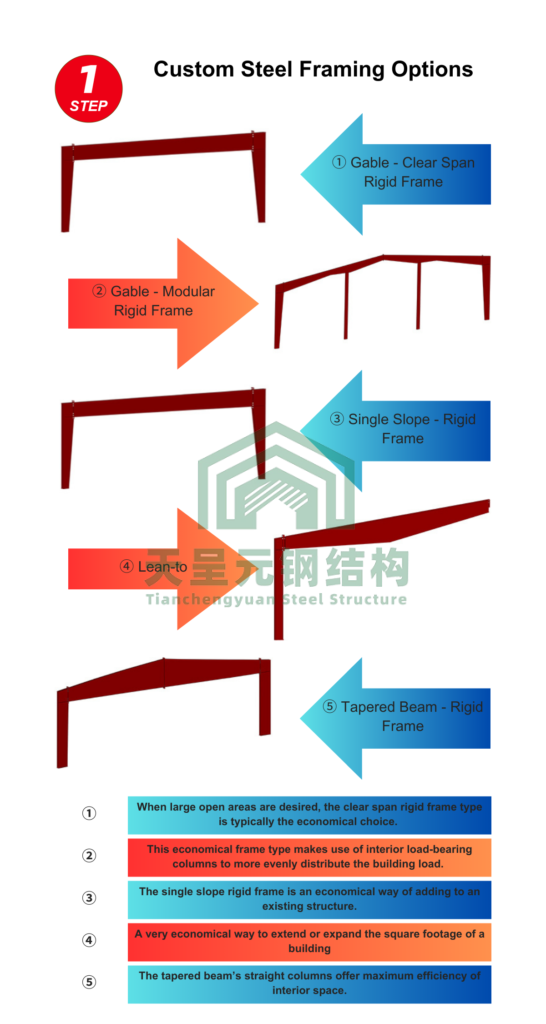
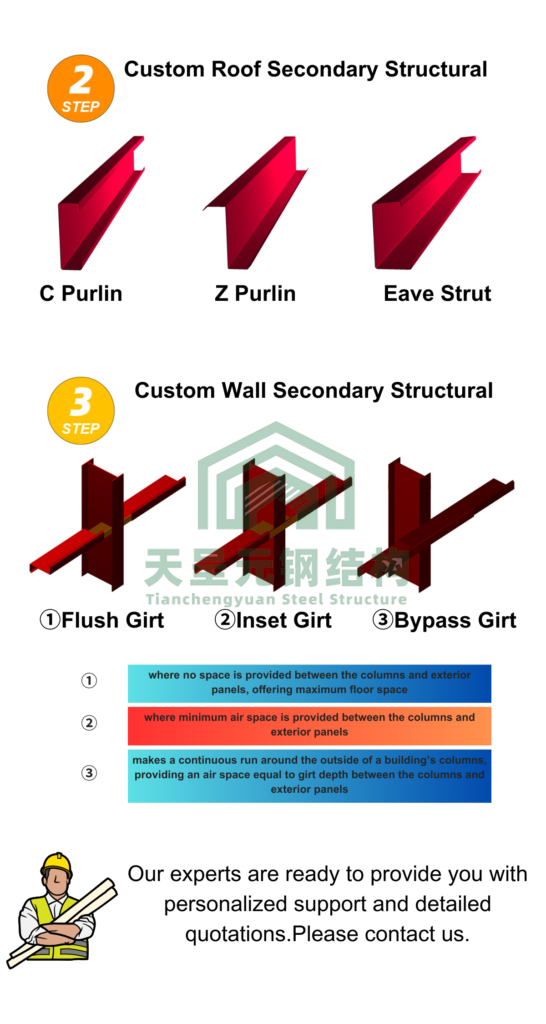
Learn How to customize Steel Framing Structure in 3 Easy Steps
For more steel structure projects , please contact us!
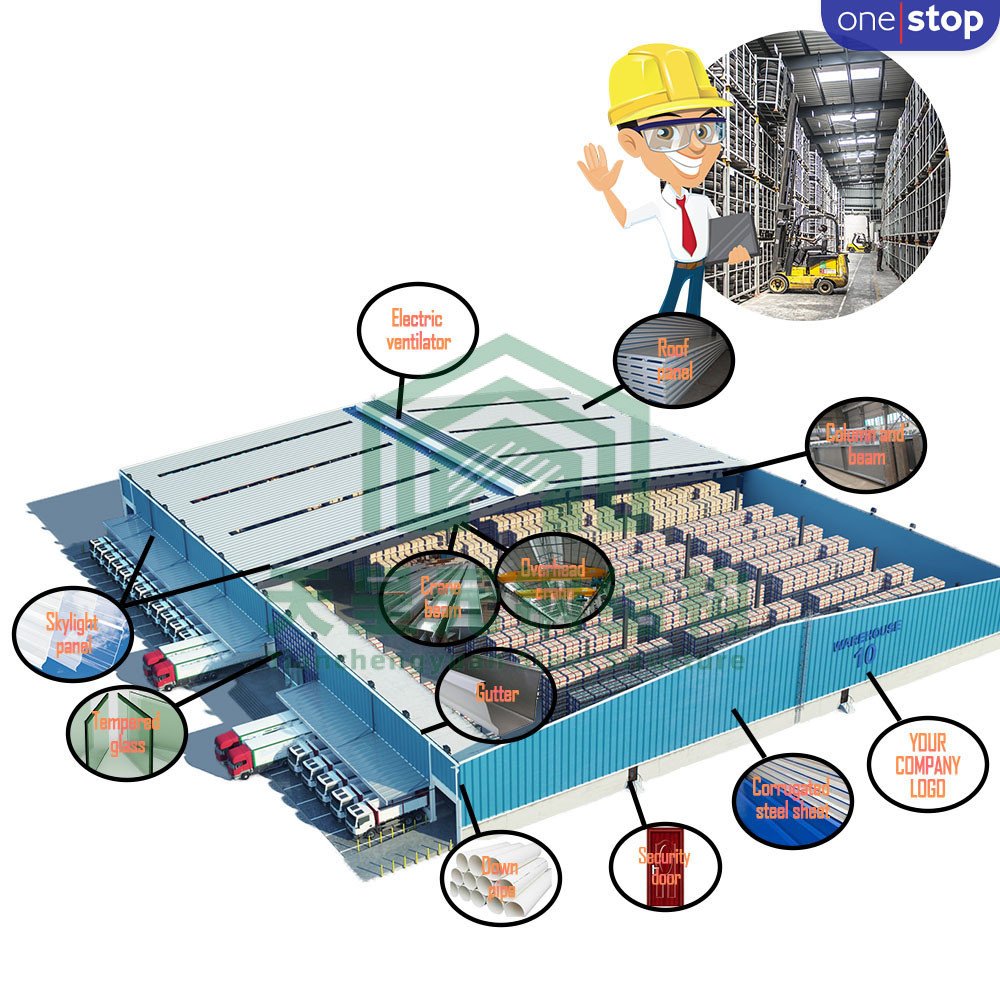
Products materials