

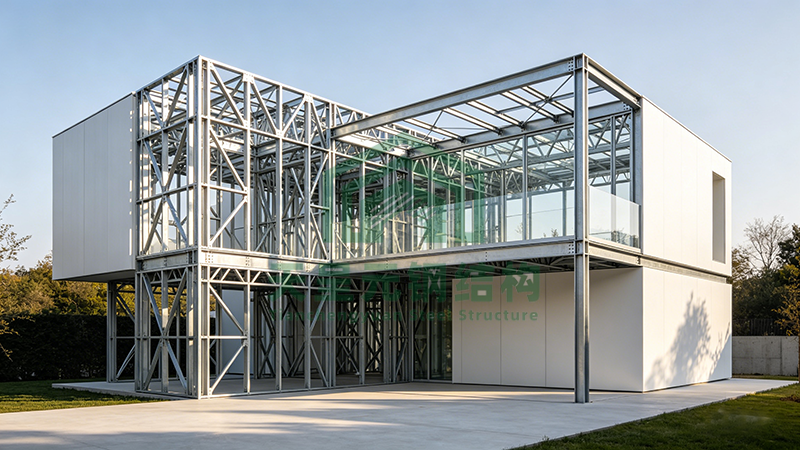
Designing 2 story metal building seffectively requires careful consideration of various factors that enhance space utilization and operational efficiency. The implementation of a steel building frame only provides structural flexibility, allowing for open layouts that meet diverse functional needs. The advantages of steel include significant cost savings and reduced construction times while ensuring durability against environmental challenges. It’s crucial to optimize interior layouts to facilitate smooth workflow and safety, particularly in high-traffic areas. Future adaptability remains a key focus in design, enabling easy modifications or expansions as operational requirements evolve. By leveraging these insights, developers can create efficient and sustainable metal buildings that support both current and future demands.
- Efficient 2 Story Metal Building Designs for Enhanced Utility
- Maximizing Space Efficiency in Your 2 Story Metal Building
- Key Benefits of Using a Steel Building Frame Only
- Essential Considerations for Designing 2 Story Metal Buildings
- Strength and Safety: The Advantages of Steel Frames
- Innovative Features of Modern 2 Story Metal Buildings
- Cost-Effective Solutions for 2 Story Metal Structures
- Optimizing Layouts for Functional Flow in Steel Buildings
- Retrofitting Opportunities for Existing Metal Buildings
- Best Practices in Two-Level Metal Building Designs
- Materials and Energy Efficiency in Steel Building Construction
- Future Trends in 2 Story Metal Building Designs
- Conclusion
- FAQs
Efficient 2 Story Metal Building Designs for Enhanced Utility
When designing 2 story metal buildings, efficient use of space is crucial. Flexible layouts should accommodate various operational needs while ensuring safety and comfort. Utilizing a steel building frame only allows for wider spans and reduces the number of interior columns, promoting unobstructed airflowand easy movement throughout the facility. This configuration not only enhances functionalitybut also simplifies future modifications. Consider integrating multi-functional areas that can easily adapt to changing needs, maximizing overall utility. Moreover, incorporating natural lighting and energy-efficient materials promotes a productive work environment, ultimately supporting the building’s longevity and reducing operational costs.
Maximizing Space Efficiency in Your 2 Story Metal Building
Creating a 2 story metal building involves more than just erecting walls and a roof; it requires strategic planning to maximize available space. Implementing an efficient layout can significantly enhance functionality. Start by considering an open floor plan that minimizes the need for unnecessary walls while allowing for easy mobility. Utilize vertical space effectively with steel building frame only designs, which support the flexibility to add shelving or equipment without compromising on safety.
Incorporating multifunctional areas is another way to promote efficiency. For instance, spaces can be designed to serve dual purposes, accommodating both storage and work areas seamlessly. It’s essential to keep safety regulations in mind during the design process, ensuring clearance zones remain adequate for machinery and personnel movement.
“Prioritize configurations that allow for future expansions; adaptability is key in industrial designs.” By recognizing these factors early in the design phase, owners can enjoy a functional, safe, and efficient metal building that meets their evolving needs over time.
Key Benefits of Using a Steel Building Frame Only
Utilizing a steel building frame only presents several advantages for 2 story metal buildings. Firstly, it significantly reduces construction time and costs, allowing for quicker project delivery and less financial strain. The structural integrity provided by steel ensures superior durability against environmental factors while minimizing maintenance needs. Additionally, having a streamlined frame allows for versatile interior layouts, accommodating various operational needs without compromising safety.
Tables can also enhance planning and coordination in the design phase:
| Benefit | Description |
|---|---|
| Cost Efficiency | Lower initial costs compared to full structures |
| Time Savings | Quicker assembly reduces project timelines |
| Durability | Resistance to corrosion and weather effects |
| Flexibility | Adaptable space configuration options |
Overall, focusing on a steel building frame only allows for effective space utilization and operational efficiency while ensuring functionality and safety in the design of 2 story metal buildings.
Essential Considerations for Designing 2 Story Metal Buildings
When planning a 2 story metal building, several key factors must be addressed to ensure both functionality and safety. One crucial consideration is the load-bearing capacityof the steel building frame only. Engineers should calculate expected loads, including equipment, storage, and occupant usage, to select appropriate materials and dimensions. Additionally, it’s essential to assess the vertical clearance requirements for machinery and ventilation systems to promote operational efficiency.
Flexibility in designis also important; allowing for future expansions or modifications can save costs in the long run. The placement of support columns should be optimized to create open spaces while maintaining structural integrity. Moreover, implementing proper insulation and energy-efficient materials helps in creating a comfortable environment for occupants, enhancing overall productivity. Balancing these elements during the planning phase ultimately leads to a steel structure that meets contemporary needs while ensuring safety and longevity.
Strength and Safety: The Advantages of Steel Frames
The use of steel framesin 2 story metal buildings greatly enhances both structural integrity and safety. These frames provide exceptional strength, allowing for larger open spaces, which is crucial for operational flexibility. Additionally, the durability of steel is a key asset; it can withstand extreme weather conditions and resist decay, ensuring the longevity of the building. The design of steel building frame only structures allows for efficient load distribution, minimizing unnecessary stress on individual components. This results in safer environments for workers, as the risk of structural failure is significantly reduced. With advancements in engineering techniques, incorporating steel frames into multi-level designs not only supports various operational needs but also promotes compliance with safety regulations, making them ideal for modern industrial applications.
Innovative Features of Modern 2 Story Metal Buildings
Modern 2 story metal buildings incorporate several innovative features that enhance their functionality and appeal. Notably, the use of a steel building frame only allows for wide-open spaces without the need for intrusive columns, optimizing interior layouts for various applications. These structures often include energy-efficient insulated panels that contribute to lower operating costs and improved thermal comfort. Additionally, contemporary designs frequently utilize transparent elements like windows and skylights, which not only brighten the interiors but also promote a healthier work environment. Smart building technology is becoming increasingly common, enabling better control over heating, cooling, and lighting systems. This integration leads to improved operational efficiency and a more sustainable footprint for industrial spaces. Ultimately, these features make 2 story metal buildings a versatile choice for various uses while ensuring safety and efficiency throughout their lifespan.
Cost-Effective Solutions for 2 Story Metal Structures
When considering 2 story metal structures, efficiency and affordability are pivotal. Utilizing a steel building frame only allows owners to achieve significant cost savings while ensuring robustness. This approach streamlines construction processes, as lighter materials often mean less foundation work and quicker assembly times. Additionally, the flexibility in design contributes to optimal space usage, enabling the incorporation of diverse functionalities without sacrificing structural integrity. Many businesses find that retrofitting existing steel frames with modern enhancements not only meets updated safety standards but also minimizes operational downtimes. Investing in these upgrades can often yield better long-term value compared to starting from scratch, making it a smart solution for many industrial projects. As commercial demands evolve, focusing on these cost-effective strategies ensures both competitivenessand durability in the market.
Optimizing Layouts for Functional Flow in Steel Buildings
Effective layout optimization in 2 story metal buildings is crucial for promoting functional flowand enhancing overall productivity. Utilizing a steel building frame onlyallows for flexible design options, enabling engineers to create open floor plans that facilitate smooth movement and workflow. It’s imperative to consider the placement of critical areas such as loading docks and workstations during the design phase. Proper spacing not only maximizes usable area but also ensures safety during operations. Furthermore, integrating features like wide aisleways and strategically located staircases contributes to an efficient circulation pattern, making it easier for personnel to navigate within the facility. By focusing on thoughtful layout design, companies can significantly boost operational efficiency while minimizing potential hazards in their industrial environments.
Retrofitting Opportunities for Existing Metal Buildings
Retrofitting existing metal buildings presents a flexible solution for modern needs without the cost and disruption associated with new constructions. By focusing on specific areas that require attention, such as structural reinforcements or enhanced insulation, businesses can extend the lifespan of their facilities. One opportunity involves updating the steel building frame only, which can lead to improved safety and functionality while minimizing expenses. Additionally, retrofitting can enhance energy efficiency, allowing buildings to meet new environmental standards with upgraded systems. When adjusted correctly, these modifications can also support new operational requirements, ensuring that every square foot is utilized efficiently. Emphasizing a strategic approachduring the retrofitting process allows operators to adapt older structures to contemporary demands effectively.
Best Practices in Two-Level Metal Building Designs
When designing 2-story metal buildings, it’s crucial to ensure that the structure optimizes both spaceand functionality. Implementing an open floor plan allows flexibility in layout, accommodating varying needs over time. Utilizing a steel building frame only can significantly enhance structural integrity while maximizing usable space. Integrating modular components can facilitate future expansions or modifications, responding to changing operational demands without extensive renovation costs. Additionally, incorporating large windows and skylights not only improves natural lighting but also boosts energy efficiency while creating a pleasant work environment. It is essential to adhere to local building codes and safety regulations, ensuring that the design supports safe occupancy and contributes positively to the overall industrial landscape.
Materials and Energy Efficiency in Steel Building Construction
In constructing 2 story metal buildings, focusing on materialsand energy efficiencyis crucial. Steel offers remarkable strength, allowing for larger open spaces that enhance usability. Additionally, opting for a steel building frame only minimizes the amount of material needed while ensuring structural integrity. Incorporating insulating materials can significantly reduce energy consumption throughout the building’s lifespan. Using techniques such as reflective roofing and energy-efficient windows further contributes to a lower carbon footprint. These choices not only support environmental sustainability but also result in long-term cost savings for owners. By prioritizing materialsthat promote energy efficiency, builders can create functional spaces that meet modern demands effectively.
Future Trends in 2 Story Metal Building Designs
As the demand for 2 story metal buildings continues to grow, innovative approaches are shaping their future. One significant trend is the increased use of sustainable materials and energy-efficient designs. Builders are now focusing on incorporating eco-friendly features that reduce overall energy consumption while maintaining structural integrity. Additionally, modular construction techniques are gaining traction, allowing for quicker assembly and adaptability to various site conditions. This flexibility not only enhances space management but also caters to changing operational needs over time. Furthermore, smart technology integration is becoming essential, with automated systems for lighting, climate control, and security facilitating improved management of these spaces. The combination of these advancements ensures that steel building frame only structures not only meet current industrial demands but also anticipate future challenges in building design and functionality.
Conclusion
The design of 2 story metal buildings using a steel building frame only presents significant advantages in terms of efficiency and adaptability. By prioritizing an open floor plan, businesses can ensure that spaces serve multiple functions and can be reconfigured as needs evolve. The strength and durability of steel frames enhance safety while providing robust support for industrial activities. Innovative features such as energy-efficient systems and natural lighting contribute to operational efficiency and create a more pleasant working environment. As industries evolve, these structures can be retrofitted to meet new demands, ensuring they remain relevant and effective for years to come. Emphasizing thoughtful design choices will ultimately foster successful outcomes for metal buildings in various applications.
FAQs
What is a 2 story metal building?
A 2 story metal buildingis a structure designed with two levels, typically made from steel, providing durability and flexibility for various applications.
Why choose a steel building frame only?
Opting for a steel building frame onlycan enhance structural integrity, reduce costs, and expedite construction timelines due to its lighter weight and ease of assembly.
What are the advantages of using steel in construction?
Steel offers superior durability, weather resistance, and lower maintenance needs compared to traditional materials, making it ideal for industrial applications.
How can I maximize space in my 2 story metal building?
Implementing an open floor plan with minimal interior columns allows for efficient use of space, enhancing functionality and operational flow.
Can I retrofit an existing metal building to meet modern standards?
Yes, retrofitting existing metal buildings with updated features can improve safety and efficiency while meeting contemporary operational needs without starting from scratch.


