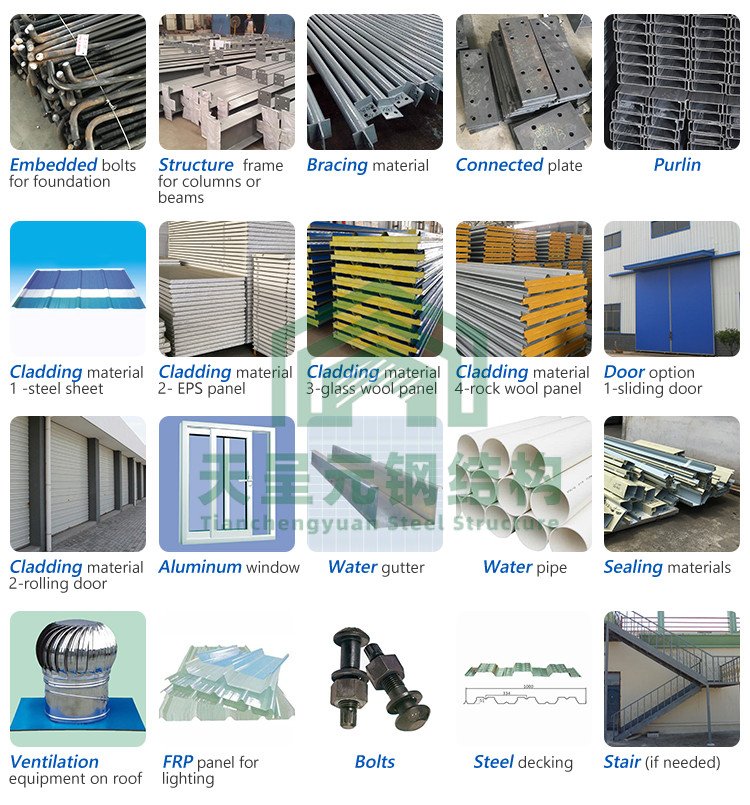

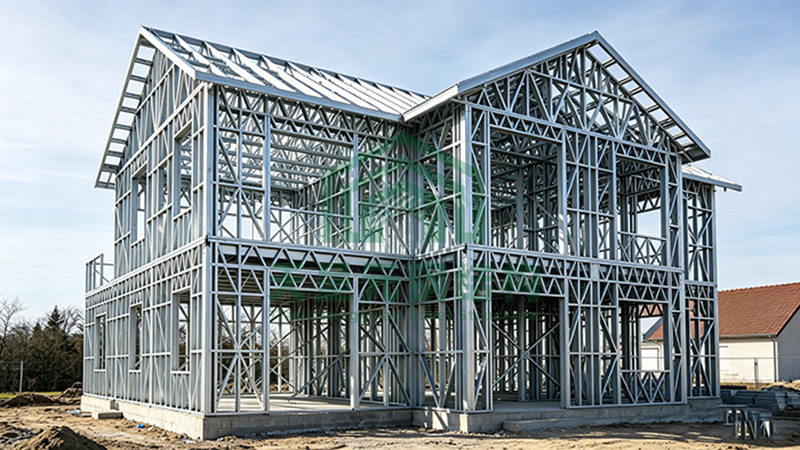
Two story metal buildings are revolutionizing urban construction by addressing space constraints and enhancing efficiency. Their prefabricated design facilitates rapid assembly, which can significantly shorten project timelines. With a focus on modular designs, these structures can be easily tailored to fit the varying requirements of urban settings while ensuring compliance with local regulations. Additionally, the integration of modern technologies boosts safety and operational efficiency, making these buildings a practical choice for sustainable development. Ultimately, adopting two story prefab solutions not only maximizes usable space but also aligns urban growth with the need for innovative infrastructure.
Two Story Metal Buildings: A Game Changer in Urban Construction
Two story metal buildings present innovative solutions for urban construction, addressing space constraints in densely populated areas. Their prefab design allows for quick assembly, significantly reducing the construction timeline. In a world where every square foot counts, these structures utilize vertical space effectively, accommodating various functionalities within a compact footprint.
Additionally, modular designs provide immense flexibility, allowing tailored layouts that meet specific needs while adhering to local regulations. The integration of modern technologies enhances safety and operational efficiency. For instance, just-in-time delivery systems minimize waste and storage challenges during construction.
| Benefit | Description |
|---|---|
| Space Efficiency | Optimizes use of vertical space in urban areas |
| Rapid Construction | Prefabrication speeds up project timelines |
| Design Flexibility | Customizable layouts to suit various urban needs |
| Improved Safety Standards | Enhanced compliance with safety regulations |
As urban development continues to evolve, investing in two story metal buildings can catalyze transformation in city landscapes, facilitating the growth of sustainable and resilient infrastructures.
The Advantages of Prefab Solutions for Modern Urban Architecture
Prefabricatedsolutions offer numerous advantages for urban architecture, particularly as cities grow denser. The flexibilityof two story metal buildings allows architects to design spaces that maximize vertical and horizontal dimensions. These structures are notably quicker to assemble, reducing overall construction time, which is critical in bustling urban areas. By utilizing modular designs, projects can be tailored to specific site constraints while ensuring compliance with local building regulations.
Moreover, this building method contributes to sustainability by minimizing waste through precise material use and reducing noise disturbances during construction.
“Effective space management and rapid deployment are essential in today’s urban environments.”
Thus, adopting prefab building techniques not only enhances efficiency but also aligns with the need for modern infrastructure solutions that can adapt to changing city landscapes.
Maximizing Space Efficiency with Two Story Metal Buildings
Two story metal buildings offer an innovative solution to urban space challenges by utilizing vertical space effectively. These prefab buildings are designed with an emphasis on compactness, enabling architects to create multi-functional interiors that serve diverse purposes within limited footprints. The modular nature of these structures allows for quick adjustments, making it easier to adapt to varying site conditions while maximizing usable area. Furthermore, with features such as open floor plansand strategically placed vertical elements, these buildings optimize light distribution and airflow, enhancing overall energy efficiency. By leveraging advanced construction techniques and materials, urban developers can realize the full potential of high-density layoutsin bustling city environments without compromising on design or functionality.
Rapid Assembly: How Prefab Designs Transform Urban Environments
The integration of prefab designs in urban construction significantly enhances the assembly process in densely populated areas. With two story metal buildings, the ability to pre-manufacture components in a controlled setting leads to quicker on-site assembly. This method not only reduces the overall construction timeline but also minimizes disruptionstypically associated with traditional building processes. By utilizing modular components, construction teams can efficiently manage limited space and adhere to stringent urban regulations, enhancing site safety and logistical flow. Furthermore, the use of technologies such as just-in-time deliveryensures that materials arrive precisely when needed, further optimizing productivity and reducing clutter on-site. As these approaches become prominent, urban areas can expect to see a shift toward more efficient construction methods that prioritize speed and adaptability within confined environments.
Flexible Modular Designs for City-Centric Metal Buildings
The adaptability of two story metal buildings through modular designs plays a crucial role in urban construction. By utilizing interconnected modules, architects can efficiently create livable space within tight city landscapes. This design not only enhances usability but also allows for customization, catering to specific urban needs. Each module can serve various purposes, from residential units to commercial spaces, ensuring maximum versatility. Furthermore, prefab building techniques streamline construction timelines, reducing the disruptions often associated with urban projects. The ability to easily reconfigure these structures means they can evolve as city dynamics change, supporting sustainable growth and efficient land use in densely populated areas. This flexibility ultimately encourages innovative solutions that meet the challenges of an ever-changing urban environment.
Enhancing Structural Integrity in Prefabricated Two Story Buildings
The structural integrity of prefabricated two story buildings relies significantly on advanced design and engineering techniques. These buildings utilize high-grade materials that ensure durability while allowing for increased design flexibility. Engineers strategically incorporate elements such as rigid framesand cross-bracing to bolster stability against environmental stresses. The use of modular construction further enhances this integrity by allowing precise fabrication under controlled conditions, which minimizes the chance of on-site errors. Furthermore, integrating smart technologieslike real-time monitoring systems can help track structural performance over time, identifying potential issues before they escalate. By focusing on these aspects, the construction of two story metal structures not only meets safety standards but also promotes long-term resilience in urban environments.
Modern Technologies Facilitating Efficient Urban Building Practices
The emergence of modern technologies has significantly transformed the construction landscape, particularly with two story metal buildings. Technologies such as Building Information Modeling (BIM) allow architects and engineers to plan every facet of a project digitally, enhancing collaboration and precision. This digital approach supports the effective integration of prefab solutions, enabling more efficient design and completion timelines. Additionally, innovations like augmented reality (AR) help visualize construction processes on-site, which provides immediate feedback for adjustments. Real-time trackingsystems for materials and equipment ensure optimal resource allocation and minimize delays arising from logistical challenges. Furthermore, the adoption of modular designs allows for quick reconfigurations without the need for major structural changes, reinforcing adaptability in urban settings where space limitations are prevalent. As these technologies advance, they streamline construction efforts while maintaining high standards of quality and safety in urban development.
Addressing Urban Challenges with Two Story Prefab Solutions
The design and construction of two story metal buildings offer innovative answers to pressing urban challenges. In densely populated areas, where land is limited, these prefab solutions provide an efficient way to maximize available space without compromising on functionality. The modular designs of these buildings allow for easy customization, catering to various uses like offices, retail spaces, or warehouses. Furthermore, the rapid assembly of these structures minimizes disruption in urban settings, which is crucial for maintaining the flow of daily life.
By integrating advanced technologies such as just-in-time delivery, construction teams can coordinate materials more efficiently, reducing on-site congestion and storage issues. Additionally, the compact nature of two story steel buildings enables better land use while satisfying zoning regulations. This adaptability not only promotes sustainable development but also enhances neighborhood aesthetics. Thus, these prefab solutions are effectively reshaping how urban environments can be constructed and utilized while addressing critical spatial challenges.
Construction Innovations: The Rise of Prefabricated Building Systems
Prefabricated building systems are reshaping urban construction by streamlining processes and enhancing efficiency. The use of two story metal buildings exemplifies this trend, offering significant benefits in densely populated areas. These structures, designed with modular components, permit rapid installation while significantly reducing construction time and costs. Utilizing advanced technologies in design and manufacturing, builders can ensure precision and quality in each module. Moreover, these systems adapt easily to urban constraints, allowing for creative solutions that optimize available space. As cities continue to grow and evolve, reliance on prefab solutions will likely increase, addressing the pressing need for efficient and sustainable building practices in metropolitan environments.
Two Story Metal Buildings: Balancing Design Flexibility and Safety
Two story metal buildings offer unique advantages in balancing design flexibility with safety requirements, making them prime candidates for urban development. Their modular designslend themselves easily to various urban configurations, allowing architects to create innovative layouts within tight spaces. The steel structures provide robust support, ensuring they can handle significant load capacities without compromising integrity. Additionally, adhering to local safety regulations is streamlined through these prefabricated solutions. For example, fire safety measures and vibration control can be integrated into the design from the onset, enhancing both occupant safety and overall durability. Moreover, the adaptability of prefab buildings allows for future expansions or modifications without major disruptions to existing operations. This synergy between flexibility and safety makes two story metal buildings an optimal choice for the ever-evolving urban landscape.
Streamlined Logistics in the Construction of Steel Structures
Efficient logistics play a crucial role in the construction of steel structures, particularly for two story metal buildings. The use of prefab building techniques allows for coordination that minimizes delays and reduces on-site congestion. By employing a just-in-time delivery system, materials are delivered in sync with assembly schedules, ensuring that components are available when needed without overwhelming storage capabilities. This approach not only lessens the footprint of materials on-site but also mitigates disruptions to urban traffic patterns. Additionally, using compact and mobile cranes for transportation enhances maneuverability in tight spaces, facilitating quicker assembly times. These logistics strategies are instrumental in meeting the unique challenges urban environments present while maximizing the efficiency of prefabricated construction methods.
Future-Proofing Urban Development with Modular Metal Construction
The use of modular metal construction is revolutionizing urban development, particularly with two story metal buildings. These structures not only provide efficient space utilization, but they also bolster adaptability to changing city landscapes. By employing prefab solutions, developers can ensure rapid assembly, which is crucial in areas where time is of the essence. The flexibility of design allows for unique configurations that meet varying community needs. Furthermore, modern engineering techniques ensure that these buildings maintain high structural integrityand adhere to safety standards, addressing urban challenges effectively. Therefore, as cities continue to grow and evolve, the integration of two story metal buildings will be pivotal in achieving sustainable urban environments that accommodate both functionality and aesthetic appeal.
Conclusion
As urban centers continue to evolve, two story metal buildings stand out as a vital solution for modern construction challenges. Their prefab designs not only facilitate rapid assembly but also offer unparalleled flexibility, allowing for customized layouts that meet specific urban demands. The structural integrityof these buildings, supported by advanced engineering techniques, guarantees durability while optimizing performance within compact city spaces. By embracing modular construction, cities can address pressing challenges such as space constraints and sustainability concerns. Ultimately, as cities strive for innovative and efficient solutions, two story metal structures will play a crucial role in shaping resilient urban environments for the future.
FAQs
What are the key benefits of two story metal buildings?
The key benefits include space efficiency, rapid construction times, and flexibility in design.
How do prefab solutions enhance construction timelines?
Prefab solutions allow for components to be manufactured off-site and assembled quickly, drastically reducing delays.
Can two story metal buildings be customized for different purposes?
Yes, their modular designsenable customization to suit various functionalities, such as residential or commercial needs.
How do modern technologies improve urban building practices?
Technologies like Building Information Modeling (BIM) facilitate better planning and resource management, enhancing overall efficiency.
What challenges do two story metal buildings address in urban environments?
They optimize limited space and comply with zoning regulations, making them suitable for crowded city areas.
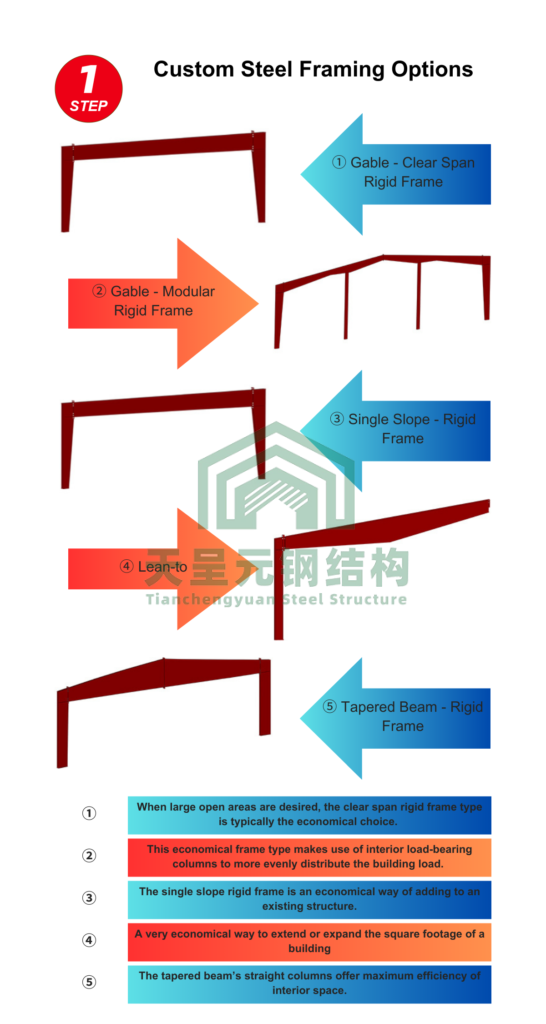
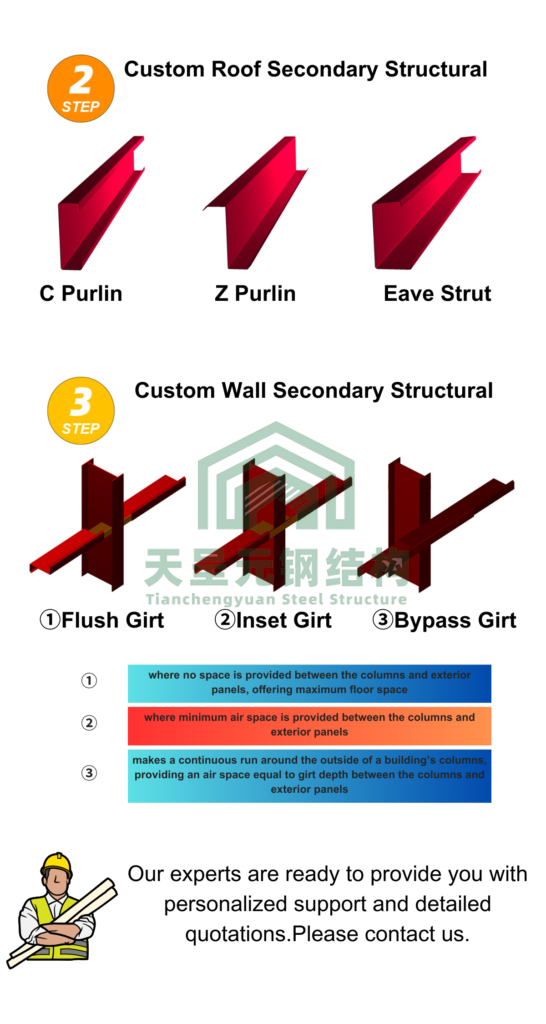
For more steel structure projects , please contact us!
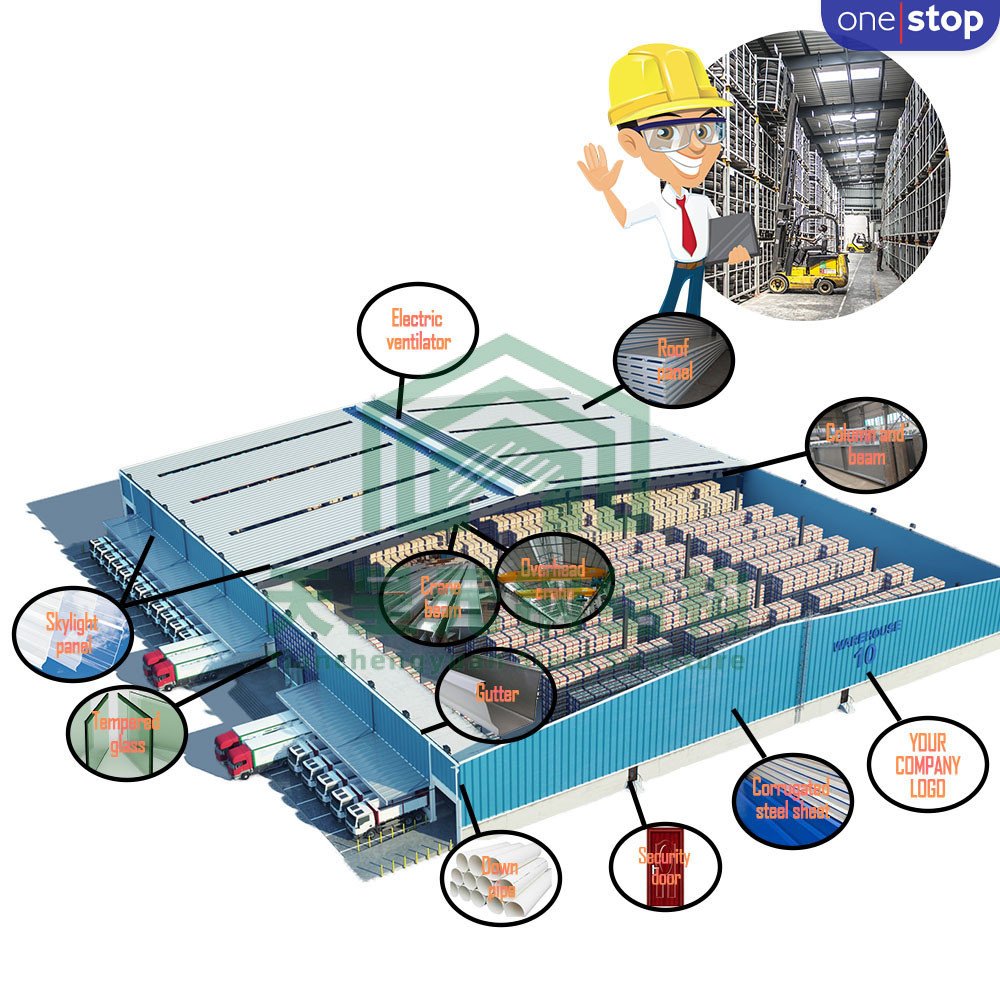
Products materials