

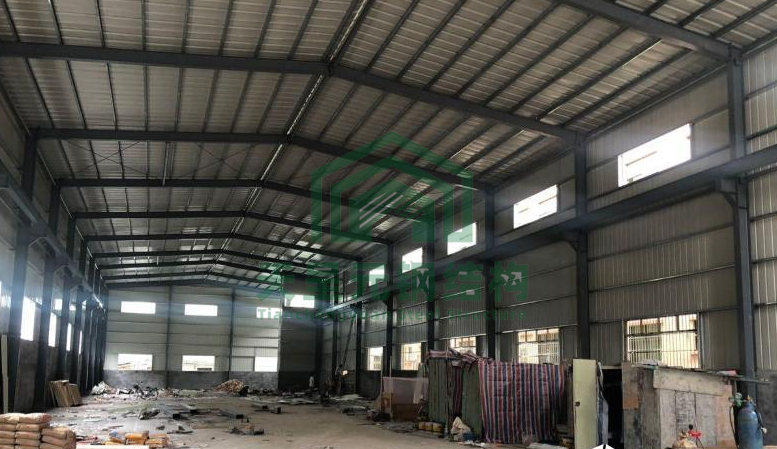
I. Common Questions and Professional Answers
1. Does efficient steel warehouse construction compromise structural safety?
Answer: Absolutely not. The core of efficient construction is “scientific optimization,” not “compromising standards.” Under efficient construction, components are predominantly factory-prefabricated, achieving far greater precision than on-site welding and ensuring superior connection strength. Compliant high-efficiency steel warehouses undergo third-party inspections, with safety performance fully meeting standards like the “Code for Design of Steel Structures” (GB 50017).
2. Is the high-efficiency model only suitable for large steel warehouses?
Answer: Small and medium-sized steel warehouses actually highlight the advantages more effectively. They offer greater flexibility, making them more conducive to the “prefabricated components + rapid assembly” model. For instance, small-to-medium warehouses can utilize standardized components, reducing on-site installation time to 15-30 days—over 50% faster than traditional brick-concrete structures.
II. Core Benefits of Efficient Steel Warehouse Construction
1. Significantly Shortened Commissioning Cycle
Factory prefabrication of steel components runs concurrently with on-site installation, eliminating waiting periods for concrete curing. Overall construction time is reduced by 30%-60% compared to traditional structures.
2. Significantly Reduced Overall Costs
Prefabricated production minimizes on-site labor and material waste, while modular design reduces errors. The lightweight nature of steel structures lowers foundation costs, resulting in long-term operational expenses 20%-30% lower than brick-and-concrete structures.
3. Environmental Sustainability and Flexibility
Steel materials boast over 90% recyclability, meeting green building standards. Internal spaces lack load-bearing walls, enabling flexible layout adjustments and expansions to accommodate evolving needs.
4. Exceptional Structural Stability and Durability
Steel structures demonstrate superior wind resistance, seismic resilience, and corrosion resistance, with lifespans exceeding 50 years. They withstand extreme conditions like high temperatures and humidity.
III. Detailed Steps for Efficient Steel Warehouse Construction
1. Preliminary Planning and Design Optimization (1-2 weeks)
Define warehouse purpose, load requirements, and core parameters like span and height. Utilize BIM technology for 3D modeling to optimize component layout and node connections. Complete construction drawing reviews and approvals for fire safety and environmental regulations.
2. Premium Component Procurement and Prefabrication (2-4 weeks)
Prioritize steel fabricators with stable production capacity. Specify material grades (e.g., Q355B high-strength steel) and corrosion protection standards. Require precise prefabrication per design drawings, concurrently completing component numbering and quality inspections.
3. Site Preparation and Foundation Treatment (1-2 weeks)
Complete site grading and geological surveys. Employ strip foundations or isolated footings suitable for lightweight steel structures. Optimize foundation construction processes and establish temporary construction facilities.


