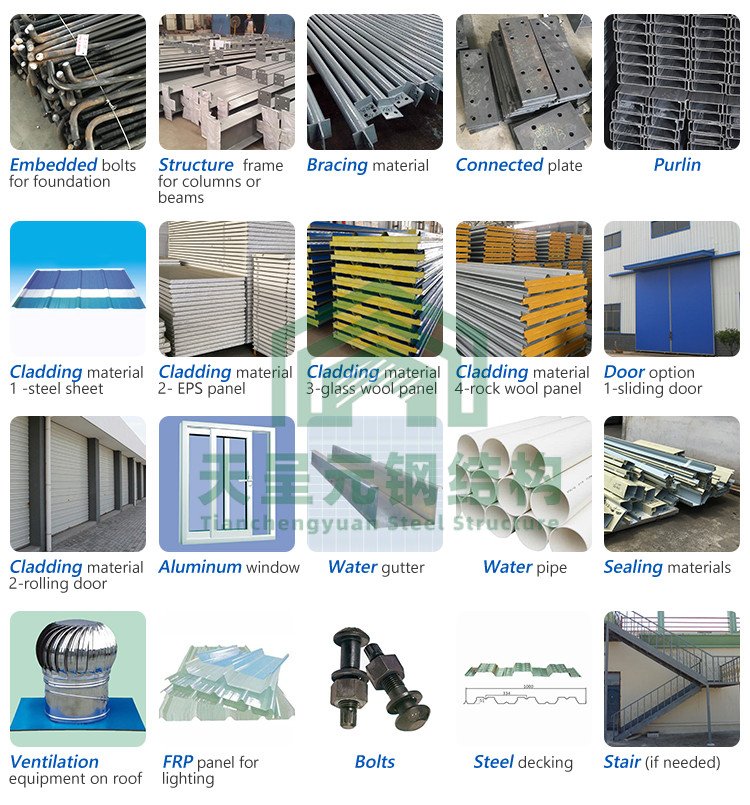

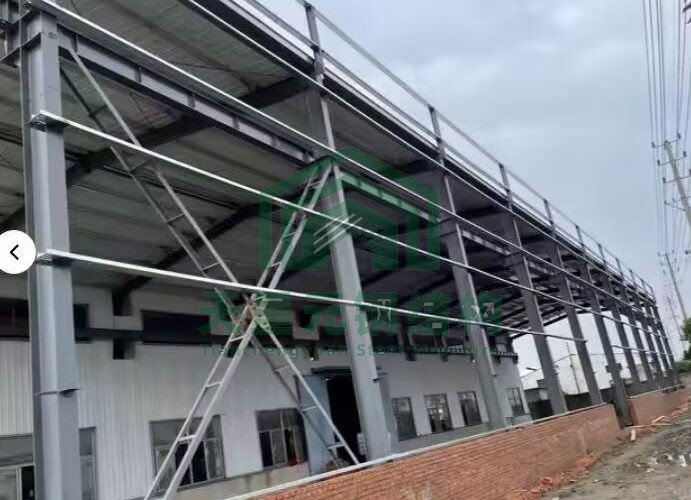
The landscape of metal building design continues to be shaped by innovation and adaptability. Key considerations include utilizing modular designs for flexibility, which allows for spaces to be reconfigured in response to tenant needs. Achieving space efficiency through open layouts and vertical storage supports varied operational requirements, making these structures versatile and efficient. Furthermore, the integration of smart technologyis essential in enhancing operational management while sustainability remains a top priority in building materials and processes. As steel building houses evolve, the emphasis on durability, scalability, and ecological responsibility ensures these structures can meet present demands while being prepared for the future.
Innovative Approaches in Metal Building Design
The design of metal buildings has evolved significantly, emphasizing functionality and adaptability. One innovative approach is the implementation of modular designs, which allows for easy reconfiguration of spaces according to changing needs. This flexibility supports diverse operational requirements, particularly in steel building houses where tenant demands vary widely. Additionally, utilizing smart technologyenhances operational efficiency by integrating automated systems for better resource management and monitoring.
To maximize space, the efficiency of layouts is crucial. Incorporating flexible column grids optimizes internal flow and accessibility while catering to both light and heavy equipment. Moreover, sustainabilityis a growing trend in metal building design, with steel structures increasingly incorporating environmentally friendly materials and practices.
| Feature | Description |
|---|---|
| Modular Design | Allows for easy reconfiguration for different needs |
| Smart Technology | Integrates automated systems for better efficiency |
| Space Efficiency | Optimizes internal layout for accessibility |
| Sustainability | Incorporates eco-friendly practices and materials |
These advancements ensure that contemporary metal buildings not only meet but exceed the expectations of modern industrial environments.
Maximizing Space Efficiency in Steel Building Houses
In the realm of metal building design, maximizing space efficiency remains a primary focus. One effective strategy is implementing open floor plans that eliminate unnecessary barriers, allowing for flexible use of the available area. Additionally, steel building houses benefit from vertical space utilization through the incorporation of multi-level designs and elevated storage solutions. This design flexibility supports varying tenant needs and operational requirements, making it easier to adjust layouts as businesses grow or evolve.
“Consider modular shelving and adaptable interior finishes to enhance functionality without compromising space.”
Utilizing standardized components in construction also streamlines the process, enabling faster deployment while maintaining high quality. By aligning these design principles with operational demands, developers can create spaces that not only meet current needs but are also resilient to future changes in tenant requirements.
Scalability Solutions for Modern Steel Structures
In today’s rapidly evolving industrial landscape, scalability is a vital feature of modern steel structures. Utilizing a modular design, these buildings can easily adapt to changing tenant requirements, allowing for the swift addition or removal of units as needed. This approach not only maximizes the use of space but also facilitates efficient energy and resource management. The incorporation of flexible layouts enables businesses to reconfigure their operations without significant disruptions. Advanced fabrication techniques further contribute to this scalability, ensuring that steel building houses are not only robust but also maintain the ability to expand or contract based on market demands. By embracing these solutions, stakeholders can create environments that are versatile and responsive, ultimately enhancing operational efficiency while addressing diverse tenant needs.
Adaptable Layouts in Contemporary Metal Building Design
In today’s industrial landscape, adaptive layouts in metal building design are crucial for meeting the diverse needs of tenants. These layouts allow for easy modifications to accommodate varying operational demands, enhancing functionality and efficiency. The incorporation of modular spaces enables businesses to expand or contract their physical footprint based on fluctuations in demand without compromising the integrity of the structure. Additionally, utilizing open floor plans within steel building houses promotes flexibility, allowing for the seamless integration of heavy machinery or warehouse operations alongside lighter equipment. This adaptability is essential not only for immediate needs but also for long-term sustainability, as businesses seek environments that can grow with them. Furthermore, strategic zoning of spaces within metal buildings facilitates effective resource allocation while ensuring optimization of workflows and logistics operations.
Redefining Functionality with Steel Structures
Modern steel structures are at the forefront of reshaping the way we think about functionalityin architectural design. By using metal building design principles, these structures offer unparalleled flexibility and efficiency. The layout can be tailored to accommodate specific operational requirements, allowing for modular spaces that evolve with tenant demands. Features like natural light optimization and open floor plans enhance usability, while advanced construction techniquesensure durability and cost-effectiveness. As businesses act quickly to adapt to market changes, such adaptability becomes crucial. By integrating technology, such as real-time monitoring systems, these steel buildings not only meet present needs but also anticipate future trends, ensuring they remain relevant for years to come.
The Future of Metal Building Designs: Trends and Innovations
As the demand for efficient and flexible spaces grows, innovativetrends in metal building design are shaping the future of steel structures. One key innovation is the integration of smart technology, allowing for real-time monitoring of spaces, which enhances operational efficiency. Additionally, the trend towards sustainabilitydrives the use of recycled materials and energy-efficient designs in modern steel building houses. Enhanced adaptability is also a focus, with modular designs enabling easy reconfiguration to meet changing needs. These advancements not only improve utility but also cater to diverse tenant requirements in a dynamic industrial landscape, ensuring that today’s metal buildings remain functional and relevant for years to come.
Modular Steel Designs for Diverse Tenant Needs
The versatility of modular steel designs plays a crucial role in accommodating the varied requirements of tenants in modern industrial settings. These steel building houses are engineered with flexibility in mind, allowing for easy reconfiguration based on operational demands. By implementing standardized yet adaptable layout options, developers can create spaces that respond quickly to tenant changes, whether it’s adjusting for increased inventory or altering operational workflows. This adaptability leads to significant cost savings and enhances tenant satisfaction. Furthermore, as industries evolve, these modular steel designs can seamlessly integrate advanced technologies, ensuring that facilities remain functional and relevant over time. Emphasizing a dynamic approachto design not only meets immediate needs but also anticipates future demands, making these structures an optimal choice for diverse tenant needs.
Aligning Structural Flexibility with Operational Demands
Modern metal building design aims to bridge the gap between structural integrity and operational flexibility. By incorporating modular components, buildings can easily adapt to changing tenant requirements. Each unit within a steel building house can support varied loads and functionalities, thus fostering a diverse operational environment. This adaptability is crucial in minimizing downtime and enhancing productivity, as different sectors often require specific layouts. Implementing flexible partitioning systems allows spaces to be reconfigured quickly, addressing the unique demands of different businesses while maintaining a cohesive structural framework. Additionally, employing adjustable loading zones ensures smooth logistics flow, accommodating both heavy and light equipment seamlessly. This holistic approach not only enhances user experience but also extends the lifespan of the facility by allowing it to evolve alongside tenant needs.
Key Considerations in Modern Steel House Designs
When designing modern steel houses, several key factors come into play to ensure optimal functionality and performance. First, load distribution is vital; effective weight management along with reinforced structural areas can mitigate risks associated with heavy equipment usage. Additionally, flexibility in layout allows for adjustments as tenant needs change, which is particularly important in multi-tenant environments. Efficient circulation planning enhances movement within the space, avoiding congestion and facilitating operations. Sustainability practices should also be integrated from the outset, encouraging the use of eco-friendly materials and innovative solutions to reduce energy consumption. Finally, implementing advanced technology for monitoring and management can lead to improved efficiency and adaptability of the space over time. By considering these elements holistically, developers can create steel structures that not only meet current demands but are also resilient for future challenges.
Enhancing Sustainability through Innovative Metal Buildings
Innovative metal building design is crucial in promoting sustainability within the construction industry. By utilizing steel structures, developers can reduce waste and lower carbon footprints. These buildings often incorporate energy-efficientsystems such as solar panels and natural lighting, aligning with green building standards. Additionally, modular designs facilitate recyclingmaterials and enable easy disassembly for future renovations, supporting a circular economy. The adaptability of modern steel building houses also allows for multi-functional spaces that can evolve with tenant needs, minimizing the need for new constructions. As industries prioritize sustainability, integrating such features into innovative designs is essential for modern metal buildings.
Case Studies: Successful Metal Buildings and Their Impact
One notable example of metal building design success is the construction of modern steel building houses tailored for mixed-use developments. These structures effectively demonstrate how modular designs can accommodate various tenant needs, enhancing both functionality and operational efficiency. For instance, a multi-tenant facility in an industrial hub was designed with flexible layouts that allowed businesses to customize their spaces without extensive renovations. The use of high-quality steel structures not only improved the durability of the building but also offered sustainability through energy-efficient materials and construction practices. Furthermore, effective space planning in these projects has led to smooth logistics flows, reducing congestion and maximizing productivity for all occupants. Another example can be found in urban settings where adaptive reuse of existing steel buildings has allowed companies to expand without new ground-up construction, illustrating the versatility and robust capability of modern metal structures. Such case studies highlight the significant impact that innovative metal building designs can have on enhancing operational capabilities while meeting diverse market demands.
Leveraging Technology in Modern Steel Structure Design
The integration of advanced technology in modern steel structure design significantly enhances both efficiency and functionality. Utilizing Building Information Modeling (BIM) allows architects and engineers to create detailed 3D models, facilitating better visualization of metal building designs. This digital approach streamlines collaboration among stakeholders, ensuring that modifications can be quickly implemented during the design process. Additionally, automation tools now assist in optimizing the use of materials, reducing waste while maintaining structural integrity. Smart sensors incorporated into steel structures enable real-time monitoring of the building’s performance and safety standards. These innovations make it easier to adapt to changing tenant needs, thereby enhancing the scalability and longevity of steel building houses. Ultimately, leveraging these technologies creates more robust and flexible designs that meet the dynamic demands of today’s industrial environments.
Conclusion
The ongoing evolution of metal building design reflects a growing understanding of the diverse needs within modern industrial environments. As we look towards the future, steel building houses are poised to embrace greater adaptability and efficiency through the integration of cutting-edge technologyand sustainable practices. The focus on modular designsensures that spaces can be easily modified to accommodate fluctuations in tenant requirements. Furthermore, environmentally consciousapproaches are becoming standard, reinforcing the importance of sustainability in construction. By fostering a balance between operational flexibilityand structural integrity, these contemporary designs not only respond to current demands but also anticipate future trends, positioning them as ideal solutions in an ever-evolving landscape.
FAQs
What are the main benefits of metal building design?
Metal building design provides flexibility, scalability, and enhanced sustainability, making it suitable for diverse operational needs.
How do steel building houses adapt to tenant requirements?
Steel building houses utilize modular designs that allow quick reconfiguration and efficient space management to cater to changing tenant demands.
What role does technology play in modern steel structures?
Technology enhances operational efficiency through automated systems for monitoring resource use and optimizing layouts within metal buildings.
Are there sustainable practices incorporated into metal building design?
Yes, modern metal buildings often utilize eco-friendly materials and energy-efficient systems while promoting recycling through modular construction methods.
How does space efficiency impact steel building functionality?
Maximizing space efficiency ensures smooth operational flow, minimizes congestion, and supports diverse activities within tight industrial environments.
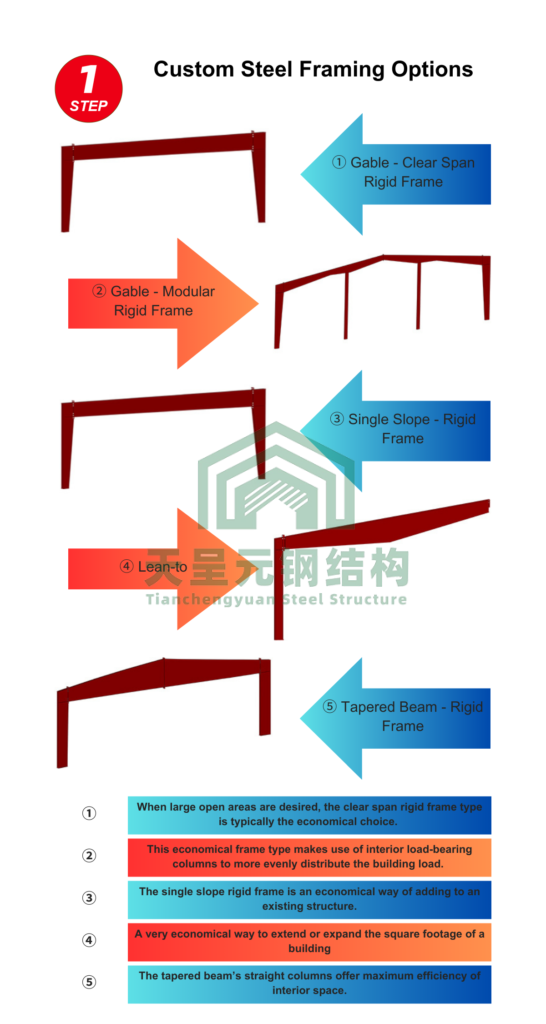
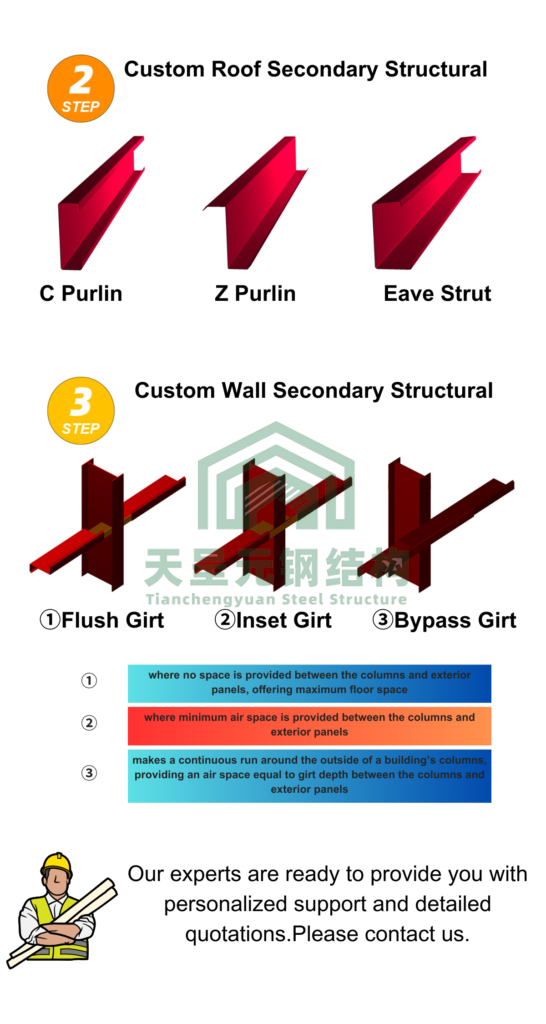
Learn How to customize Steel Framing Structure in 3 Easy Steps
For more steel structure projects , please contact us!
Products materials